
What Are The Best Type Of Baseball Cards To Collect?
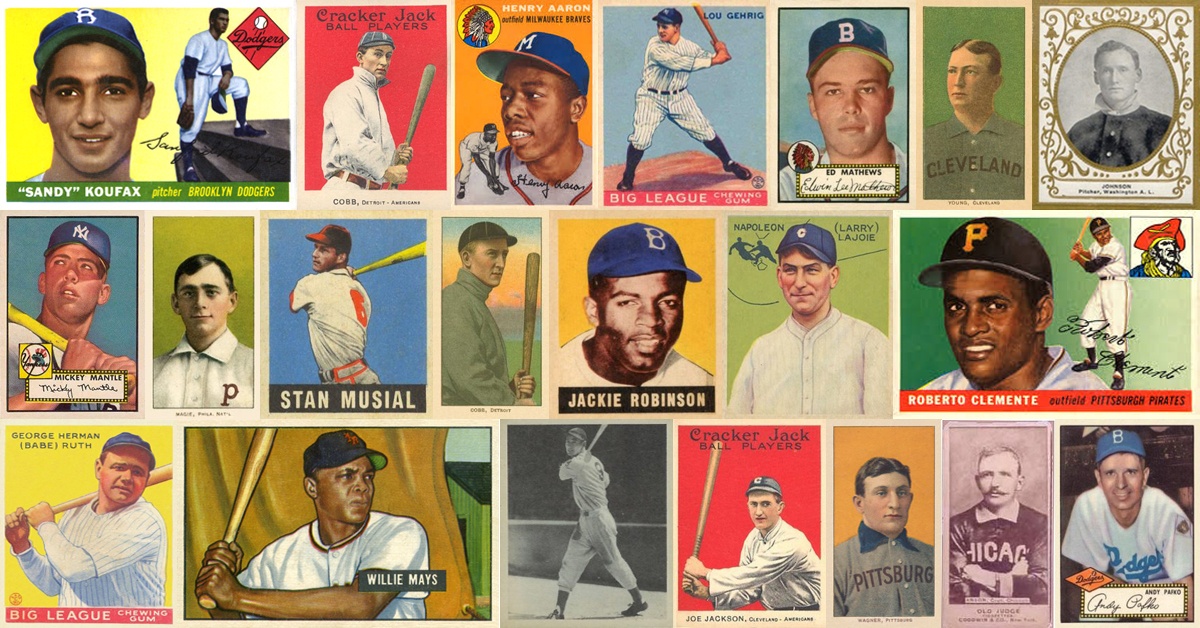
Baseball cards have been a popular collector’s item for decades. With so many different types of cards available, it can be overwhelming to decide which ones to collect. In this article, we will take a closer look at some of the best types of baseball cards to add to your collection.
From vintage cards to modern ones, there are plenty of options for collectors. Whether you’re a seasoned collector or just starting out, learning about the different types of baseball cards can help you make informed decisions and build a collection that you can be proud of. So, let’s dive in and explore the world of baseball card collecting!
What Are the Best Types of Baseball Cards to Collect?
When it comes to collecting baseball cards, there are a plethora of choices available in the market. From vintage to modern, there are different types of baseball cards that one can collect. But what are the best types of baseball cards to collect? Let’s take a look at the top ten options.
1. Vintage Cards
Vintage cards are the most sought after by collectors. These cards were produced between 1909 and 1979. They are known for their unique designs and limited availability. Some of the popular vintage cards include the T206 Honus Wagner and the 1952 Topps Mickey Mantle.
Vintage cards are valuable due to their rarity and age. They are also a great way to connect with the history of the sport. Collectors can research the players and teams from that era and gain a deeper understanding of baseball’s evolution.
2. Rookie Cards
Rookie cards are the first cards produced for a player when they enter the major leagues. Collectors value these cards because they represent a player’s potential and future success. Some of the most popular rookie cards include the 1952 Topps Willie Mays and the 1989 Upper Deck Ken Griffey Jr.
Rookie cards are a great investment because they can increase in value over time. As players become more successful, their rookie cards become more valuable.
3. Autographed Cards
Autographed cards are a favorite among collectors. These cards feature the signature of the player and are usually limited in number. Some of the popular autographed cards include the 1993 Upper Deck Derek Jeter and the 2001 SP Authentic Albert Pujols.
Autographed cards are valuable because they are unique and can’t be replicated. They are also a great way to own a piece of memorabilia from your favorite player.
4. Game-Used Cards
Game-used cards feature a piece of equipment or uniform worn by the player during a game. These cards are rare and highly sought after by collectors. Some of the popular game-used cards include the 2001 Upper Deck Game Jersey Barry Bonds and the 2002 Upper Deck Piece of History Ichiro Suzuki.
Game-used cards are valuable because they offer a tangible connection to the player and the game. They are also a great way to own a piece of history.
5. Parallel Cards
Parallel cards are variations of the base card and come in different colors, designs, and textures. They are usually limited in number and are highly collectible. Some of the popular parallel cards include the 2011 Topps Diamond Anniversary Mike Trout and the 2020 Bowman Chrome Luis Robert.
Parallel cards are valuable because they offer a unique look at the player and their card. They are also a great way to diversify your collection.
6. Insert Cards
Insert cards are special cards that are inserted into packs and boxes. They feature unique designs, themes, and subsets. Some of the popular insert cards include the 1993 Finest Refractor Ken Griffey Jr. and the 1996 Upper Deck Predictor Michael Jordan.
Insert cards are valuable because they are rare and offer a unique addition to your collection. They are also a great way to complete a set.
7. Modern Rookie Cards
Modern rookie cards are those produced after 1980. These cards are still valuable and sought after by collectors. Some of the popular modern rookie cards include the 2001 Bowman Chrome Albert Pujols and the 2005 Topps Update Justin Verlander.
Modern rookie cards are a great investment because they offer a more affordable option than vintage cards. They can also increase in value over time.
8. Short-Printed Cards
Short-printed cards are those that are produced in limited quantities. They are usually harder to find and are highly collectible. Some of the popular short-printed cards include the 2011 Topps Update Mike Trout and the 2018 Topps Heritage Shohei Ohtani.
Short-printed cards are valuable because they are rare and offer a challenge to collectors. They are also a great way to diversify your collection.
9. Hall of Fame Cards
Hall of Fame cards feature players who have been inducted into the Baseball Hall of Fame. These cards are valuable because they represent the best of the best in baseball history. Some of the popular Hall of Fame cards include the 1933 Goudey Babe Ruth and the 1953 Topps Jackie Robinson.
Hall of Fame cards are a great way to connect with the history of baseball. They offer a glimpse into the past and the players that helped shape the game.
10. Team Sets
Team sets feature cards of all the players on a particular team. They are a great way to show support for your favorite team and collect all the players in one set. Some of the popular team sets include the 1993 Upper Deck SP Derek Jeter and the 1993 Topps Finest Mike Piazza.
Team sets are valuable because they offer a complete collection of all the players on a particular team. They are also a great way to show your team spirit.
In conclusion, there are many different types of baseball cards to collect. The best types are those that are valuable, unique, and offer a connection to the player and the game. Whether you collect vintage cards or modern rookie cards, there is something for every collector.
Frequently Asked Questions
What factors should I consider when collecting baseball cards?
When collecting baseball cards, there are several factors to consider. First, you should decide whether you want to collect modern or vintage cards. Modern cards are typically more affordable and easier to find, while vintage cards can be rare and expensive. You should also consider the condition of the cards, as well as their rarity and historical significance. Additionally, you may want to focus on collecting cards of your favorite players or teams.
In terms of specific card types, some collectors prefer rookie cards, which are the first cards of a player printed by a major manufacturer. Others prefer autographed cards, which feature the signature of the player. Memorabilia cards, which contain pieces of game-used equipment or clothing, are also popular among collectors.
What are some of the most valuable baseball cards?
The value of a baseball card is determined by several factors, including the player featured on the card, the year it was printed, and its rarity. Some of the most valuable baseball cards in existence include the T206 Honus Wagner card, the 1952 Topps Mickey Mantle card, and the 1916 M101-5 Babe Ruth card.
However, it’s important to note that the value of a card can fluctuate over time, and that condition is a major factor in determining value. A card that is in poor condition may be worth significantly less than the same card in pristine condition.
What are some tips for building a successful baseball card collection?
To build a successful baseball card collection, it’s important to do your research and stay organized. Start by setting a budget for your collection, and decide which types of cards you want to focus on. Consider joining a collectors’ club or online forum to connect with other collectors and learn more about the hobby.
When purchasing cards, be sure to check the condition carefully and only buy from reputable sellers. Keep your collection organized and store your cards in protective sleeves or binders to prevent damage. Finally, don’t be afraid to sell or trade cards that no longer fit your collection’s focus or that you no longer enjoy.
How can I determine the value of my baseball cards?
There are several factors that can influence the value of a baseball card, including the player featured on the card, the year it was printed, and its condition and rarity. To determine the value of your cards, you can consult a price guide such as Beckett or check recent sales of similar cards on online marketplaces such as eBay.
It’s important to note that the value of a card can fluctuate over time, and that condition is a major factor in determining value. A card that is in poor condition may be worth significantly less than the same card in pristine condition.
What are some common mistakes to avoid when collecting baseball cards?
One common mistake that collectors make is failing to do their research before purchasing cards. It’s important to know the value and rarity of a card before buying it, as well as the reputation of the seller.
Another mistake is failing to keep cards in good condition. Improper storage or handling can damage cards and decrease their value. It’s important to store cards in protective sleeves or binders, and to handle them carefully.
Finally, some collectors make the mistake of focusing too much on the potential monetary value of their collection, rather than enjoying the hobby itself. While it’s certainly possible to make money buying and selling cards, collecting should ultimately be about the joy of the hobby and the thrill of building a unique collection.
Baseball Card Collecting Basics * A Basic Guide to Collecting Baseball Cards *
In conclusion, the best type of baseball cards to collect ultimately depends on your personal preferences and goals. Are you looking for cards with the most historical significance and rarity? Then vintage cards from the early 1900s may be the way to go. Are you a fan of modern players and want to invest in potential future Hall of Famers? Then current rookie cards may be the best choice for you.
Regardless of which type of cards you choose to collect, it’s important to do your research and invest wisely. Look for reputable sellers and pay attention to the condition of the cards. Don’t be afraid to ask questions and seek advice from more experienced collectors.
At the end of the day, collecting baseball cards is a fun and enjoyable hobby that can bring joy and excitement for years to come. Whether you’re a die-hard fan or simply enjoy the art and history of the sport, there’s a card out there for everyone. So go out there, explore, and find the perfect cards to add to your collection!


