
How To Value Baseball Cards?
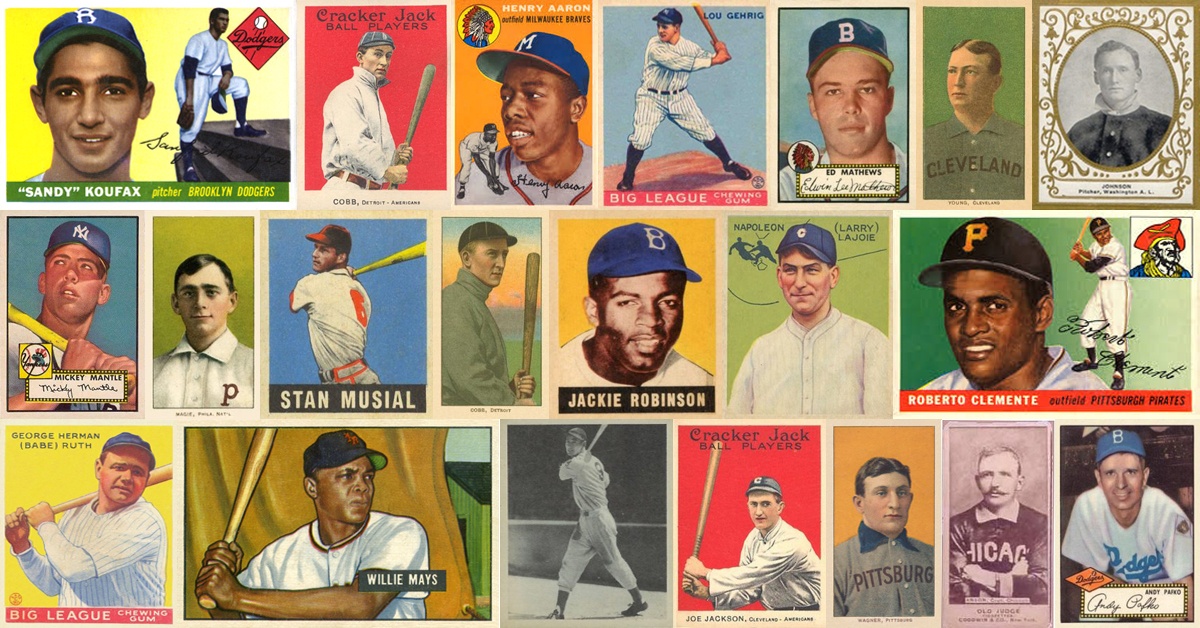
Baseball cards have been a beloved pastime for generations. They have been collected, traded, and cherished by fans of all ages. However, with so many different types of baseball cards available, it can be difficult to determine which ones are the most valuable. In this article, we will explore the different factors that determine the value of baseball cards and provide you with tips on how to properly value your collection. Whether you’re a seasoned collector or just starting out, this guide will help you navigate the world of baseball card collecting and ensure that you are getting the most out of your collection.
How to Value Baseball Cards? – An In-Depth Guide
Baseball cards have been a cherished collectible for decades. Whether you’re a seasoned collector or just starting out, understanding how to value baseball cards is essential. Here’s a comprehensive guide to help you determine the worth of your baseball card collection.
1. Condition Matters
The condition of your baseball card is one of the most significant factors in determining its value. The better the condition, the higher the value. A card in mint condition can be worth up to ten times more than the same card in poor condition.
When evaluating the condition of a baseball card, consider factors such as creases, stains, and corner wear. Most collectors use a grading system to assess the condition of their cards. The most commonly used grading system is the Professional Sports Authenticator (PSA) grading system.
| PSA Grading Scale | Description |
|---|---|
| PSA 10 | Gem Mint |
| PSA 9 | Mint |
| PSA 8 | Near Mint-Mint |
| PSA 7 | Near Mint |
2. Rarity is Key
The rarity of a baseball card also plays a significant role in its value. Cards that were produced in limited quantities or were only distributed in certain regions tend to be more valuable. Rookie cards are also highly sought after by collectors and can fetch high prices.
When determining the rarity of a baseball card, consider factors such as the year it was produced, the number of cards in the set, and the player featured on the card.
- Benefits:
- Highly sought after by collectors
- Can fetch high prices
- VS:
- May be difficult to find
- May be expensive to acquire
3. Age is a Factor
The age of a baseball card can also impact its value. Cards that are older tend to be more valuable, particularly if they are in good condition. The popularity of the player featured on the card can also impact its value.
When evaluating the age of a baseball card, consider factors such as the year it was produced and the player featured on the card.
4. Authenticity is a Must
When it comes to valuing baseball cards, authenticity is crucial. Counterfeit cards can significantly reduce the value of your collection. It’s essential to purchase cards from reputable dealers and to have them authenticated by a third-party grading service.
Most reputable grading services, such as PSA and Beckett, offer authentication services to help ensure the authenticity of your cards. Having your cards authenticated can increase their value and protect your investment.
5. Popularity of the Player
The popularity of the player featured on the baseball card can also impact its value. Players who are considered all-time greats or who had significant accomplishments during their careers tend to be more valuable.
When evaluating the popularity of the player featured on the card, consider factors such as their career accomplishments, their place in baseball history, and their overall popularity among fans.
6. Supply and Demand
The law of supply and demand also plays a role in valuing baseball cards. Cards that are in high demand but low supply tend to be more valuable. Most collectors use online marketplaces and auction sites to gauge the supply and demand of particular cards.
When considering the supply and demand of a baseball card, look at factors such as the number of available cards and the number of collectors seeking them. You can also consider the value of similar cards to get an idea of the demand for the card you’re evaluating.
7. Be Mindful of Trends
Baseball card values can fluctuate based on trends in the collecting community. It’s essential to stay up to date on current trends to ensure you are getting the best value for your cards.
When evaluating trends in the collecting community, consider factors such as popular players, new releases, and changes in the market. You can also use online forums and social media to stay up to date on current trends.
8. Look for Professional Grading
Professional grading is essential when it comes to valuing baseball cards. Most reputable grading services, such as PSA and Beckett, offer grading services to help ensure the accuracy of your card’s value.
When considering professional grading, look at factors such as the reputation of the grading service, the cost of grading, and the turnaround time for grading.
- Benefits:
- Ensures accurate valuation
- Increases the value of your cards
- VS:
- Can be expensive
- May take time to receive graded cards
9. Consider the Condition of the Case
The condition of the case can also impact the value of your baseball cards. Cards that are stored in high-quality cases tend to be more valuable than those in poor condition cases.
When evaluating the condition of the case, look for factors such as scratches, cracks, and discoloration. It’s also essential to ensure that the case is free of dust and debris.
10. Keep Your Collection Organized
Finally, keeping your baseball card collection organized can help you determine the value of your cards accurately. Organizing your collection by player, year, or team can make it easier to track the value of your cards over time.
When organizing your collection, consider using protective sleeves and storage boxes to keep your cards in good condition. You can also consider using online databases and software to keep track of your collection and its value.
In conclusion, understanding how to value baseball cards is essential for any collector. By considering factors such as condition, rarity, age, authenticity, player popularity, supply and demand, trends, professional grading, case condition, and organization, you can accurately determine the value of your baseball card collection.
Frequently Asked Questions
What factors affect the value of a baseball card?
The value of a baseball card depends on various factors such as its condition, rarity, age, popularity of the player, and the demand from collectors. The condition of the card is the most important factor as even a small crease or a bent corner can decrease its value significantly. Rarity is also important as cards that were printed in limited quantities are usually more valuable.
Where can I find information about the value of baseball cards?
There are many resources available to find information about the value of baseball cards. You can check online auction sites, price guides, and sports memorabilia shops. It’s important to do your research and compare prices from different sources to get an accurate estimate of the value of your card.
Should I get my baseball cards appraised?
If you have a valuable or rare baseball card, it’s a good idea to get it appraised by a professional. An appraiser can give you an accurate estimate of the value of your card based on its condition, rarity, and other factors. However, appraisals can be expensive, so it’s important to weigh the cost against the potential value of your card.
What are some tips for preserving the value of my baseball cards?
To preserve the value of your baseball cards, it’s important to keep them in good condition. Store them in a cool, dry place, away from direct sunlight and moisture. Use acid-free sleeves or holders to protect them from dust and damage. Avoid touching the surface of the card as much as possible, and handle them with clean hands.
What should I do if I want to sell my baseball cards?
If you want to sell your baseball cards, there are many options available. You can sell them online through auction sites or sports memorabilia marketplaces. You can also sell them to a dealer or consign them to an auction house. It’s important to do your research and compare prices from different sources to get the best value for your cards.
In conclusion, valuing baseball cards can be a fun and exciting process, but it also requires a certain level of knowledge and expertise. By following the tips and guidelines outlined above, you can become a savvy collector and investor, able to identify valuable cards and make informed decisions about buying, selling, and trading.
Remember, the value of a baseball card is not just determined by its rarity or age, but also by its condition, authenticity, and historical significance. By taking the time to research and evaluate each card carefully, you can ensure that you are getting a fair price and building a collection that you can be proud of.
Whether you are a seasoned collector or just starting out, there is always more to learn about the world of baseball cards. So don’t be afraid to dive in, ask questions, and explore the fascinating history and culture of this beloved sport. Happy collecting!


