
How Much Is This Baseball Card Worth?
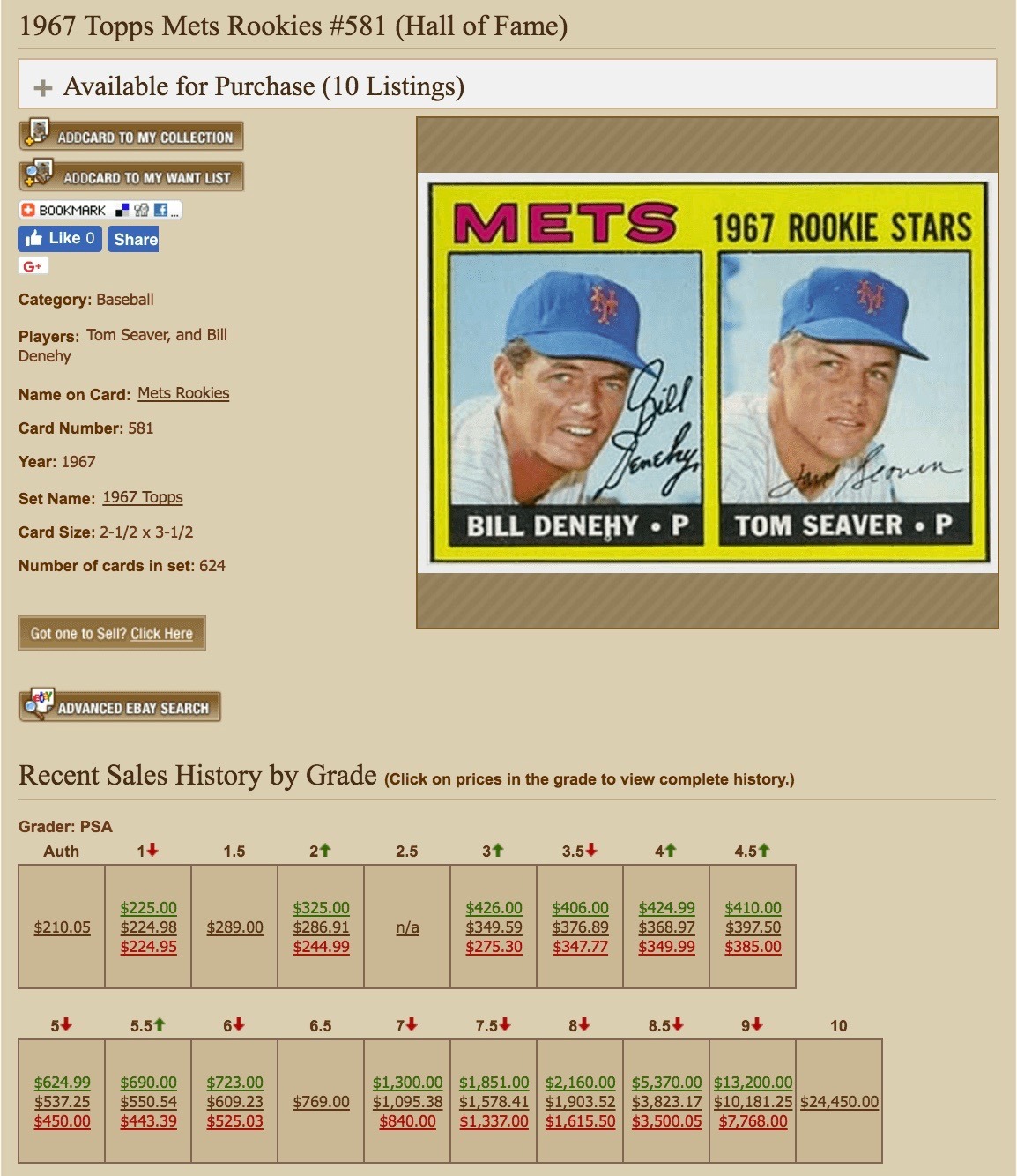
Baseball has been America’s favorite pastime for over a century, and with it comes the love and passion for collecting baseball memorabilia. One of the most sought-after collectibles is baseball cards. Whether it’s a rookie card of a Hall of Famer or a limited edition card of a current superstar, collectors are always on the hunt for these valuable gems. But the question that always lingers in their minds is, “How much is this baseball card worth?”
The value of a baseball card can vary greatly depending on several factors, such as the player’s fame, the card’s rarity, and its condition. It’s not just about owning the card; it’s about knowing its worth and how it fits into the world of baseball card collecting. So, if you’re curious about the value of your baseball card collection, buckle up and get ready to dive into the exciting world of baseball card valuation!
How Much is This Baseball Card Worth?
If you’re a collector or just curious, knowing the value of a baseball card can be important for a variety of reasons. Whether you’re looking to sell a card, add to your collection, or determine the overall value of your collection, understanding the factors that contribute to a card’s worth is crucial.
Condition
The condition of a baseball card is one of the most important factors in determining its worth. Cards in pristine condition are worth significantly more than those with creases, stains, or other damage. The condition of a card is often graded on a scale from 1 to 10, with 10 being the highest possible grade. A card graded 9 or 10 will often be worth significantly more than a card graded 6 or 7.
When assessing the condition of a card, there are several factors to consider. The edges of the card should be sharp and free of wear, while the corners should be square with no rounding. The surface of the card should be free of scratches, stains, or other marks. The centering of the card is also important, as cards with off-center printing can be worth less.
Rarity
The rarity of a baseball card is another important factor in determining its worth. Cards that were produced in smaller quantities or were only available for a limited time are often worth more than those that were mass-produced. For example, a card that was only included in a limited edition set may be worth more than a card that was included in a set that was widely available.
Another factor to consider is the age of the card. Generally speaking, older cards are worth more than newer ones, as they are harder to find and often have a greater historical significance. However, this isn’t always the case, and there are many newer cards that are worth a significant amount due to their rarity or other factors.
Player Popularity
The popularity of the player featured on the card is also a major factor in its worth. Cards featuring Hall of Fame players or other notable figures in the sport are often worth more than those featuring lesser-known players. Additionally, cards featuring players who are currently performing well or who have recently retired may be worth more than those featuring players who are no longer active.
Autographs and Memorabilia
Baseball cards that feature autographs or pieces of memorabilia, such as pieces of a player’s jersey or bat, are often worth significantly more than those without. The rarity of these cards, combined with the added value of the autograph or memorabilia, can make them highly sought after by collectors.
It’s important to note that not all autographed or memorabilia cards are created equal. Cards that feature a signature or piece of memorabilia from a highly sought after player will be worth more than those featuring a lesser-known player. Additionally, the condition of the autograph or memorabilia is also important, as cards with smudged or faded signatures will be worth less.
Market Demand
Finally, the overall market demand for a baseball card can have a significant impact on its worth. Cards that are in high demand among collectors may be worth more than those that are less popular, even if they don’t meet other criteria for rarity or player popularity. Additionally, the overall condition of the baseball card market can also have an impact on card values.
In general, the value of a baseball card is determined by a combination of these factors. Collectors and sellers should carefully consider each of these criteria when determining the worth of a card. By doing so, they can ensure that they are getting a fair price for their cards and making informed decisions about their collections.
Frequently Asked Questions
Here are some frequently asked questions about determining the value of a baseball card:
What factors determine the value of a baseball card?
The value of a baseball card is determined by several factors, including the player’s fame and career statistics, the card’s rarity and condition, and market demand. Cards featuring players who are popular with collectors or who have achieved significant accomplishments, such as winning MVP awards or setting records, tend to be more valuable. Cards that are rare, such as those from limited-edition sets or those that were only produced for a short period of time, are also more valuable. The condition of the card, including any damage or wear, can also affect its value.
Market demand plays a significant role in determining the value of a baseball card. If there are many collectors interested in a particular card, its value is likely to be higher than if there are only a few collectors interested in it. Additionally, the overall state of the card collecting market can affect the value of individual cards.
What resources can I use to determine the value of a baseball card?
There are several resources available to help determine the value of a baseball card. Online price guides, such as Beckett and Sports Card Forum, provide up-to-date pricing information on a wide range of cards. Auction houses and dealers specializing in sports memorabilia can also provide appraisals and help determine the value of a card. Finally, collectors’ forums and social media groups can be a valuable resource for learning more about a particular card and its value.
It’s important to remember that the value of a baseball card can fluctuate over time as market demand and other factors change, so it’s a good idea to check multiple sources and stay up-to-date on the latest trends in the hobby.
What should I look for when appraising the condition of a baseball card?
The condition of a baseball card is a key factor in determining its value. When appraising the condition of a card, look for any signs of damage, such as creases, tears, or discoloration. Check the corners for any bending or fraying, and examine the edges and surface of the card for any scratches or markings. The centering of the card can also affect its value, as cards with off-center printing are generally considered less desirable. Finally, look for any signs of wear or aging, such as fading or yellowing of the card.
When assessing the condition of a card, it’s important to be as objective as possible and to use a standardized grading system, such as those used by professional grading services like PSA and SGC.
How can I protect my baseball cards to maintain their value?
Proper storage and handling can help protect your baseball cards and maintain their value. Store cards in protective sleeves or holders to prevent damage from handling or exposure to light and moisture. Avoid touching the surface of the card with your fingers, as the oils and dirt on your skin can cause damage. When handling cards, use clean and dry hands and handle them carefully to avoid bending or tearing. Finally, store your cards in a cool, dry place away from direct sunlight and extreme temperatures.
If you plan to display your cards, consider investing in a display case or frame that provides protection from light, dust, and other environmental factors. Additionally, be sure to avoid displaying cards in areas where they may be exposed to moisture or temperature fluctuations.
What are some common mistakes to avoid when buying or selling baseball cards?
When buying or selling baseball cards, it’s important to avoid some common mistakes that can lead to disappointment or financial loss. One mistake is overvaluing or undervaluing a card based on incomplete or inaccurate information, such as relying on outdated price guides or not taking into account the card’s condition or rarity. Another mistake is failing to properly research a buyer or seller before making a transaction, which can lead to scams or other problems.
It’s also important to avoid buying or selling cards impulsively or without a clear understanding of their value and potential market demand. Before making a purchase or sale, take the time to research the card and its market value, and consider consulting with experts or other collectors to get a better sense of its potential worth.
12 Baseball Cards Worth A LOT of Money! Sports Card Values
In conclusion, determining the value of a baseball card can be a challenging task. It requires a keen eye for detail and knowledge of the market trends. However, it can also be an exciting and rewarding experience, especially if you uncover a rare gem.
There are various factors that can impact the value of a baseball card, including its condition, age, rarity, and popularity. It is essential to consider all these factors when evaluating the worth of a card.
Whether you are a collector or a seller, it is crucial to do your research and seek the advice of experts in the field to ensure that you get the most accurate estimate of your baseball card’s value. With patience and persistence, you can unlock the hidden value of your baseball card collection.


