
How Much Are Vintage Baseball Cards Worth?
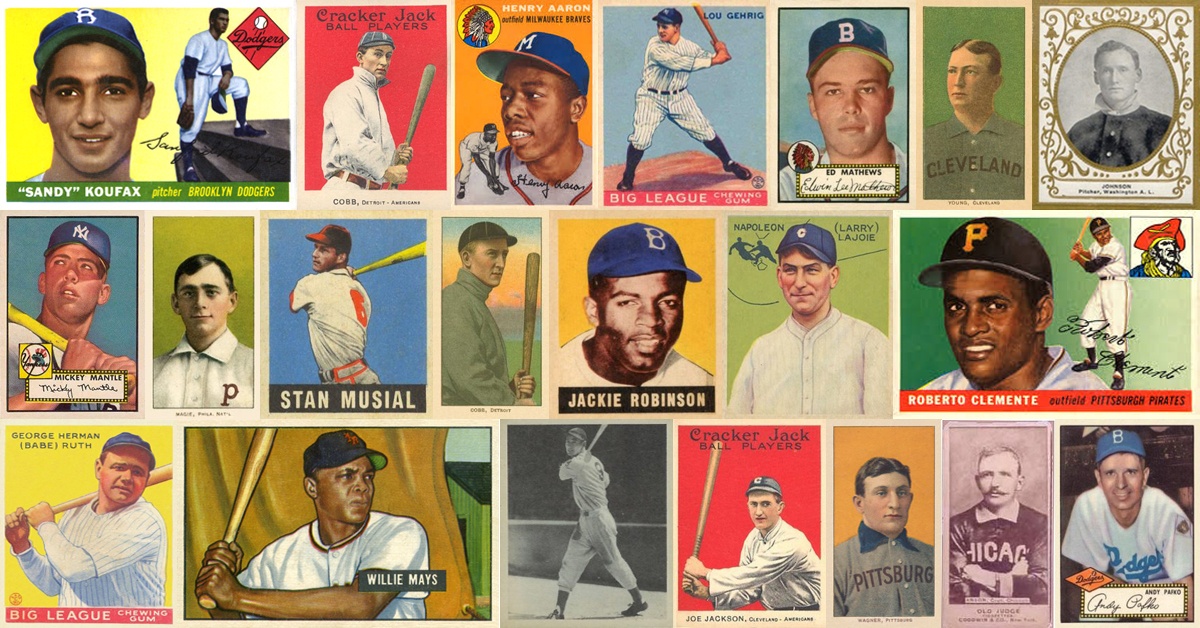
Baseball fans all over the world have always been fascinated with vintage baseball cards. These cards, which date back to the late 1800s, have become highly sought after collectibles. But just how much are vintage baseball cards worth? The answer to that question is not as straightforward as you might think.
While some vintage baseball cards can fetch millions of dollars at auction, others are worth only a few dollars. The value of a vintage baseball card depends on several factors, including its condition, rarity, and historical significance. So, let’s dive deeper into the world of vintage baseball cards and explore what makes them so valuable.
How Much Are Vintage Baseball Cards Worth?
Are you a collector of vintage baseball cards or just curious about their worth? Baseball cards have been around for over a century and have become a valuable collectible item for many enthusiasts. The value of vintage baseball cards can be determined by several factors, such as rarity, condition, age, and popularity. In this article, we will explore the worth of vintage baseball cards and what factors influence their value.
Rarity
The rarity of a vintage baseball card is one of the most important factors that determine its value. The fewer the number of cards produced, the more valuable they become. The rarity of a card can be determined by the year it was produced, the player it features, and the manufacturer. For example, the T206 Honus Wagner card, produced between 1909 and 1911, is one of the rarest and most valuable baseball cards in the world. Only a few dozen copies are known to exist, and they can fetch up to several million dollars in auctions.
Another example of a rare baseball card is the 1952 Topps Mickey Mantle card. The card is considered rare because it was only produced for a short period before being replaced by a revised version. The rarity of the card has made it one of the most sought-after and valuable cards in the hobby.
Condition
The condition of a vintage baseball card is another critical factor that affects its value. Cards that are well-preserved and free from damage or wear are more valuable than those that are in poor condition. The condition of a card is usually graded on a scale from 1 to 10, with 10 being the highest grade. Cards that have high grades typically command higher prices in the market.
Grading Scale
Here is a grading scale for vintage baseball cards:
- Gem Mint (10)
- Mint (9)
- Near Mint-Mint (8)
- Near Mint (7)
- Excellent-Mint (6)
- Excellent (5)
- Very Good-Excellent (4)
- Very Good (3)
- Good (2)
- Poor (1)
Age
The age of a vintage baseball card is also a factor that affects its value. The older the card, the more valuable it becomes, especially if it features a popular and well-known player. Cards from the early 1900s are highly sought after by collectors and can command high prices in the market.
Popularity
The popularity of a player also affects the value of vintage baseball cards. Players who are considered legends of the game, such as Babe Ruth, Ty Cobb, and Jackie Robinson, have cards that are highly sought after by collectors. The demand for these cards drives up their value in the market.
Market Trends
The market trend is another factor that affects the value of vintage baseball cards. The value of cards can fluctuate depending on the supply and demand in the market. For example, if a particular player becomes popular due to their performance, their cards may become more valuable in the market.
Benefits of Owning Vintage Baseball Cards
Owning vintage baseball cards can be a rewarding hobby. Collectors get the opportunity to own a piece of history and connect with the past. Vintage baseball cards can also be used as an investment, as the value of some cards can appreciate over time.
Vintage Baseball Cards Vs Modern Cards
Vintage baseball cards differ greatly from modern cards. Vintage cards are usually printed on thin paper stock and feature black and white images of players. They are also rarer and more valuable than modern cards. Modern cards, on the other hand, are printed on glossy card stock and feature full-color images of players. They are mass-produced and are not as valuable as vintage cards.
The Bottom Line
Vintage baseball cards are a valuable and highly sought after collectible item. The value of these cards is determined by several factors, including rarity, condition, age, popularity, and market trends. Collectors can benefit from owning vintage baseball cards, as they can appreciate in value over time. If you are interested in collecting vintage baseball cards, be sure to do your research and buy from reputable dealers to ensure you are getting authentic cards.
Frequently Asked Questions
Here are some common questions people have about the value of vintage baseball cards:
1. What factors determine the value of vintage baseball cards?
There are several factors that can impact the value of vintage baseball cards. The player’s popularity, rarity of the card, condition of the card, and age of the card are all important factors to consider. In addition, cards that are part of a complete set may be more valuable than individual cards.
It’s important to note that the condition of the card is a major factor in determining its value. Cards that are in excellent condition with no creases, stains, or other damage are worth more than cards that are in poor condition.
2. Are vintage baseball cards from certain time periods more valuable than others?
Generally speaking, vintage baseball cards from the early 1900s tend to be more valuable than cards from later decades. Cards from the 1930s and 1940s are also highly sought after by collectors. However, there are exceptions to this rule and the value of a card ultimately depends on a variety of factors.
For example, a card featuring a popular player from the 1950s or 1960s may be worth more than a card featuring a less popular player from the early 1900s.
3. How can I determine the value of my vintage baseball cards?
The best way to determine the value of your vintage baseball cards is to have them appraised by a professional. There are many reputable appraisers who specialize in vintage sports cards and can provide you with an accurate assessment of the value of your cards.
You can also research the value of your cards online by looking at completed auctions on sites like eBay or checking price guides and catalogs that are available in print or online.
4. What are some tips for selling my vintage baseball cards?
If you’re looking to sell your vintage baseball cards, there are several things you can do to maximize their value. First, make sure you have a good understanding of the value of your cards by having them appraised or doing research online.
You can sell your cards online through sites like eBay or Craigslist, or you can sell them to a local sports card shop or dealer. It’s also a good idea to keep your cards in good condition by storing them in protective sleeves or binders.
5. Can I still find valuable vintage baseball cards at flea markets or garage sales?
It’s possible to find valuable vintage baseball cards at flea markets or garage sales, but it’s important to be cautious and do your research before making a purchase. Many sellers may not be aware of the true value of the cards they are selling, so it’s up to you to determine if the price is fair.
It’s also important to carefully inspect the condition of the cards before buying them, as cards that are damaged or in poor condition may not be worth much regardless of their age or rarity.
How Much Did Vintage Baseball Card Values Change in 2022? You Might be Surprised!!
In today’s world, vintage baseball cards have become a hot commodity in the sports memorabilia market. The value of these cards can range from a few dollars to hundreds of thousands of dollars, depending on the player, rarity, and condition. So, how much are vintage baseball cards worth?
To determine the value of a vintage baseball card, several factors come into play. The player’s popularity and the card’s scarcity are two of the most significant factors. Additionally, the condition of the card, such as its centering, corners, and edges, can also affect its value.
It’s essential to do your research before selling or buying a vintage baseball card. Get familiar with the market’s trends and consult with experts to ensure you get the best value for your card. The value of vintage baseball cards may fluctuate over time, so it’s crucial to stay up-to-date with the latest market trends.
In conclusion, vintage baseball cards are not just pieces of cardboard with pictures of old-time athletes. They hold significant value and serve as an important piece of history for the sport. By understanding the factors that contribute to their value and staying informed about the market, collectors and enthusiasts can appreciate the value of these cards for years to come.


