
Are 1970 Baseball Cards Valuable?
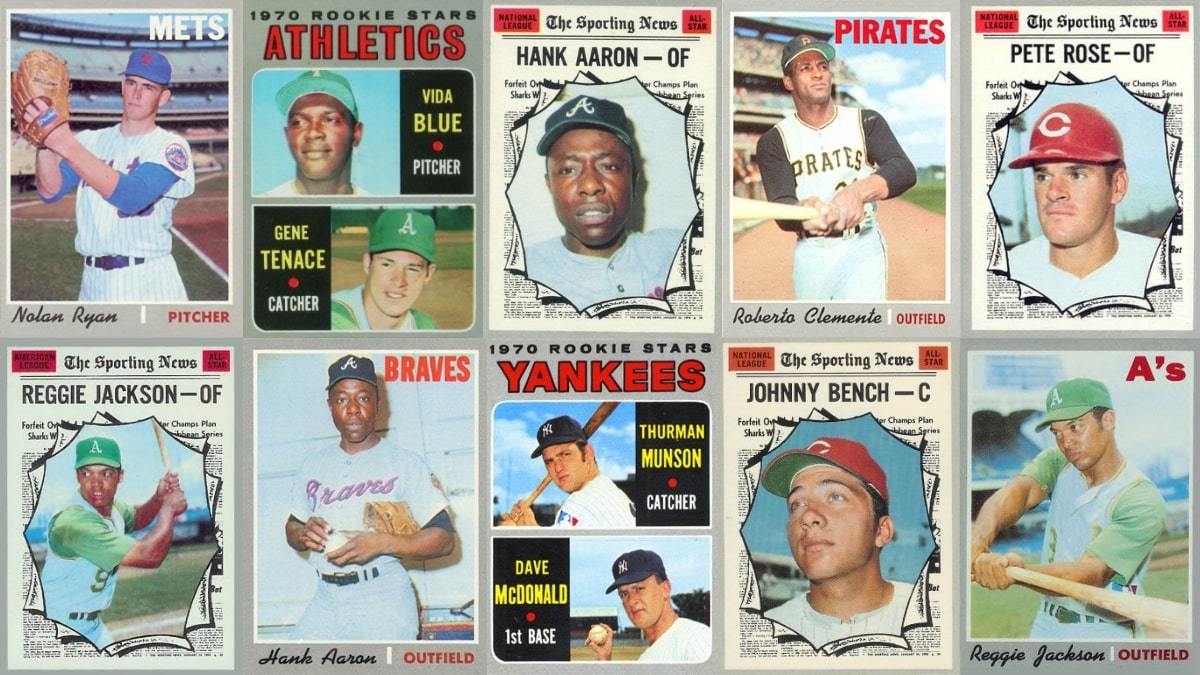
Baseball cards have been a popular hobby for collectors for decades. With the rise of the sports memorabilia market, collectors are always on the hunt for valuable cards. One question that often arises is whether baseball cards from the 1970s are worth anything.
The answer is not straightforward and depends on several factors such as the player, the condition of the card, and the rarity of the card. In this article, we will explore the value of 1970 baseball cards and what makes them valuable to collectors. So, grab your magnifying glass, and let’s dive into the world of baseball card collecting!
Are 1970 Baseball Cards Valuable?
If you are an avid baseball card collector, you may have come across 1970 baseball cards. You might be wondering whether they are valuable and worth adding to your collection. This article will explore the value of 1970 baseball cards and why they are significant for collectors.
Historical Significance
1970 was a significant year in baseball history. It was the year that the Seattle Pilots moved to become the Milwaukee Brewers, and the first year of the divisional playoffs and World Series. It was also the year that saw the retirement of baseball legend Mickey Mantle. The 1970 baseball cards capture these moments in history, making them valuable to collectors.
The 1970 Topps baseball card set consists of 720 cards, with each pack containing ten cards. The set is known for its vibrant colors, large photos, and distinctive design. The set is also notable for its inclusion of two future Hall of Famers: Nolan Ryan and Johnny Bench.
Factors Affecting Value
Several factors affect the value of 1970 baseball cards. The most important factor is the condition of the card. Cards in mint condition, with no creases, stains, or fading, are worth more than those in poor condition. The rarity of the card also affects its value. Cards that were printed in limited quantities or that are difficult to find are more valuable.
Another factor that affects the value of 1970 baseball cards is the player featured on the card. Cards featuring popular players such as Hank Aaron or Willie Mays are worth more than those featuring lesser-known players. The demand for a particular card also affects its value. If many collectors are searching for a particular card, its value will increase.
Values and Prices
The value of 1970 baseball cards varies depending on the condition, rarity, and popularity of the card. According to Beckett, a leading sports card price guide, some of the most valuable 1970 baseball cards include:
– 1970 Topps #712 Nolan Ryan ($3,000+)
– 1970 Topps #350 Roberto Clemente ($1,200+)
– 1970 Topps #630 Ernie Banks ($500+)
It’s important to note that these prices are for cards in mint condition. Cards in lesser condition will be worth less.
Benefits of Collecting 1970 Baseball Cards
Collecting 1970 baseball cards can be a fun and rewarding hobby. The cards capture a significant period in baseball history and can provide a glimpse into the past. They also offer a way to connect with other collectors and share a passion for the game.
Another benefit of collecting 1970 baseball cards is that they can be a solid investment. As the cards become rarer and more difficult to find, their value is likely to increase. If you have a passion for collecting and are willing to invest in high-quality cards, you may be able to turn a profit in the future.
1970 Baseball Cards vs. Modern Cards
Some collectors might wonder whether 1970 baseball cards are worth collecting compared to modern cards. While modern cards can be valuable, 1970 baseball cards have a historical significance that modern cards lack. They capture a moment in time and offer a glimpse into the past.
Another advantage of collecting 1970 baseball cards is that they are more likely to increase in value over time. Modern cards are often printed in large quantities, making them less rare and less likely to increase in value.
Conclusion
In conclusion, 1970 baseball cards are valuable and significant for collectors. They capture a unique period in baseball history and offer a glimpse into the past. The value of the cards depends on the condition, rarity, and popularity of the card. Collecting 1970 baseball cards can be a fun and rewarding hobby, and they may also be a solid investment for the future.
Frequently Asked Questions
What factors determine the value of a 1970 baseball card?
The value of a 1970 baseball card is largely determined by its condition, rarity, and demand. Cards that are in excellent condition and depict popular players typically fetch higher prices than those that are damaged or feature less popular players. Cards that are rare or difficult to find are also more valuable.
Additionally, demand plays a role in determining a card’s value. If a particular player or set of cards becomes popular among collectors, the value of those cards may increase due to higher demand.
Which 1970 baseball cards are the most valuable?
Several 1970 baseball cards are considered valuable by collectors, including those depicting notable players such as Hank Aaron, Willie Mays, and Roberto Clemente. Cards that are part of complete sets are also highly sought after, particularly if the set is rare or difficult to find.
The value of a particular card can vary depending on its condition, rarity, and demand, so it’s important to do research and consult with experts to determine the true value of a card.
How can I determine the condition of a 1970 baseball card?
The condition of a 1970 baseball card is an important factor in determining its value. To assess the condition of a card, collectors typically look for signs of wear, such as creases, stains, or discoloration. They also examine the corners and edges of the card to check for any damage.
If a card is in excellent condition, it may receive a high grade from a professional grading service, which can increase its value. Collectors should handle cards carefully and store them in protective sleeves or cases to maintain their condition.
Are there any 1970 baseball cards that are not valuable?
While some 1970 baseball cards are highly sought after by collectors, others may not be as valuable. Cards featuring less popular players or those that are damaged or in poor condition are typically worth less than cards in excellent condition featuring popular players.
However, even cards that are not considered valuable by collectors may hold sentimental value to the owner, so it’s important to consider both monetary and personal value when determining the worth of a card.
Where can I sell my 1970 baseball cards?
There are several options for selling 1970 baseball cards, including online marketplaces, auction houses, and specialty sports card dealers. Before selling, it’s important to research the value of your cards and consult with experts to ensure you are receiving a fair price.
When selling online, be sure to use reputable websites and take steps to protect yourself, such as using secure payment methods and carefully packaging your cards for shipping.
Top 25 Most Valuable Baseball Card from the 1970’s
In conclusion, the value of 1970 baseball cards depends on several factors. The condition of the card, the player’s popularity, and the rarity of the card all play a role in determining its worth. While some 1970 baseball cards can be worth a considerable amount of money, others may only be worth a few cents.
It’s important to note that collecting baseball cards can be a fun and rewarding hobby, regardless of their monetary value. For many collectors, the sentimental value of a card can be just as important as its price tag. Holding a piece of history in your hands can be a thrilling experience, and the memories associated with collecting can last a lifetime.
Whether you’re a seasoned collector or just starting out, it’s always worth doing your research to see if you have any valuable 1970 baseball cards in your collection. Who knows, you may have a hidden gem that could be worth a small fortune! But even if you don’t, remember that the joy of collecting can go far beyond the dollar signs.


