
What Makes A Baseball Card Valuable?
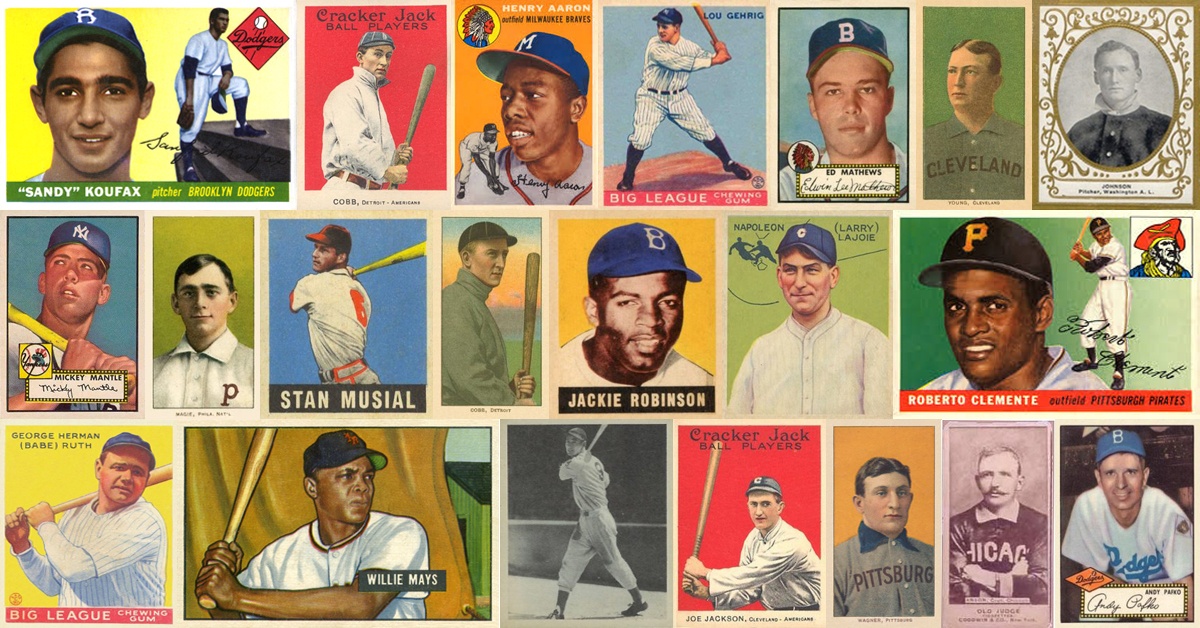
Baseball cards have been around for over a century and are highly sought after by collectors. Some of these cards can fetch millions of dollars at auction. But what is it that makes a baseball card valuable? Is it the player featured on the card, the rarity of the card, or something else entirely?
The answer is not so simple. There are many factors that can contribute to a baseball card’s value, and it can vary greatly depending on the specific card and the market. In this article, we will explore the various elements that make a baseball card valuable and what collectors should look for when evaluating their own collection.
Understanding the Value of Baseball Cards
Baseball cards have been a popular collectible item for decades. Some people enjoy collecting them for the sentimental value they hold, while others collect them as a hobby or investment. But what makes a baseball card valuable? There are several factors that determine the worth of a baseball card. In this article, we will explore the key elements that influence the value of baseball cards.
Player Popularity
One of the most important factors that determine the value of a baseball card is the popularity of the player featured on it. The more popular the player, the more valuable their card will be. For example, a rookie card of a legendary player like Babe Ruth or Mickey Mantle can fetch a high price at auctions or in private sales. A player’s stats, awards, and overall career achievements can also play a role in determining the value of their card.
In addition, the player’s popularity can also be influenced by their personal life and off-field activities. If a player is involved in a scandal or controversy, it can negatively impact the value of their card. On the other hand, if a player is known for their charitable work or community involvement, it can add value to their card.
Condition
The condition of a baseball card is another crucial factor that influences its value. A card that is in mint condition with no creases, stains, or other damage will be worth much more than a card that is torn or has visible wear and tear. The card’s centering, corners, edges, and surface must all be carefully examined to determine its condition.
Collectors often use a grading system to evaluate the condition of a baseball card. The most widely used grading system is the Professional Sports Authenticator (PSA) system, which assigns a grade from 1 to 10 based on the card’s condition. Cards that receive a grade of 9 or 10 are considered to be in excellent condition and are highly sought after by collectors.
Rarity
The rarity of a baseball card is another important factor that influences its value. Cards that are produced in limited quantities or are difficult to find are often more valuable than cards that are mass-produced. For example, a card that is part of a limited edition set or a card that was only produced for a short period of time can be worth more than a card that was widely available.
In addition, the year the card was produced can also play a role in its rarity and value. Older cards are generally more valuable than newer cards, especially if they are in good condition and feature a popular player.
Authenticity
The authenticity of a baseball card is also a key factor in determining its value. With the rise of counterfeit cards on the market, collectors must ensure that the cards they purchase are authentic. Cards that are verified by a reputable authentication service, such as PSA or Beckett Authentication Services, are worth more than cards that are not verified.
Historical Significance
The historical significance of a baseball card can also influence its value. Cards that are associated with significant events or moments in baseball history are often more valuable than cards that are not. For example, a card that was produced during a World Series-winning season or a card that features a player who broke a significant record can be worth more than a card that does not have historical significance.
Team and Location
The team and location featured on a baseball card can also impact its value. Cards that feature a player in their first season with a new team or cards that feature a player in a rare uniform or location can be worth more than cards that feature a player in their regular team uniform.
Grading and Pricing
As mentioned earlier, grading is an important part of determining the value of a baseball card. The grading process involves examining the card’s condition, authenticity, and other factors to assign a grade that reflects its overall value. Graded cards are worth more than ungraded cards because they have been verified by a reputable grading service.
In addition, pricing is another important factor to consider when evaluating the value of a baseball card. The price of a card can fluctuate depending on supply and demand, as well as other market factors. Collectors should do their research and consult with experts to determine the fair market value of a card.
Investment Potential
For some collectors, the investment potential of a baseball card is a key factor in determining its value. Cards that are expected to appreciate in value over time are often more valuable than cards that are not. Collectors should research market trends and consult with experts to identify cards that have good investment potential.
Benefits of Collecting Baseball Cards
Collecting baseball cards can be a fun and rewarding hobby. It allows collectors to connect with the history of the game and to appreciate the achievements of their favorite players. In addition, collecting baseball cards can be a profitable investment for those who are willing to do their research and make smart purchases.
Baseball Cards vs. Other Collectibles
Compared to other collectibles, such as stamps or coins, baseball cards are a relatively easy and accessible item to collect. They are widely available and can be found at sports memorabilia stores, online auction sites, and even in some retail stores. In addition, the value of a baseball card can appreciate over time, making it a potentially lucrative investment.
Conclusion
In conclusion, the value of a baseball card is determined by several factors, including the popularity of the player, the condition of the card, its rarity, authenticity, historical significance, team and location, grading and pricing, and investment potential. Collectors should do their research and consult with experts to identify cards that have good investment potential and to ensure that the cards they purchase are authentic and in good condition.
Frequently Asked Questions
Baseball card collecting is a popular hobby among sports enthusiasts, and many collectors take pride in their card collections. One of the most common questions asked by collectors is what makes a baseball card valuable. Here are five frequently asked questions and answers about what makes a baseball card valuable:
What factors determine a baseball card’s value?
A baseball card’s value is determined by several factors, including the player featured on the card, the card’s condition, the year it was produced, and the rarity of the card. Cards featuring Hall of Fame players or those who are currently popular tend to be more valuable than those of lesser-known players. Cards that are in excellent condition and free of damage or wear are also worth more than those that are not. Finally, the fewer cards that were produced, the greater the rarity and value of the card.
What makes a rookie card valuable?
A rookie card is the first card ever produced for a player, and it is often the most valuable card in a player’s collection. The value of a rookie card is based on the player’s success and popularity, as well as the rarity and condition of the card. The demand for a player’s rookie card is typically higher than for their other cards, making it more valuable.
Why are older baseball cards more valuable?
Older baseball cards are more valuable because they are harder to find and are often in worse condition due to their age. Additionally, older cards are more desirable because they represent a piece of baseball history and nostalgia. Many collectors are willing to pay a premium for cards that are part of a particular era or were produced in limited quantities.
What is the importance of a card’s condition?
The condition of a baseball card is one of the most important factors in determining its value. Cards that are in excellent condition with sharp corners, no creases, and no damage to the surface are worth more than those that have been damaged or show signs of wear. Collectors look for cards that have been well-preserved and are free of any flaws or imperfections.
How does scarcity affect a baseball card’s value?
The scarcity of a baseball card is a significant factor in determining its value. The fewer cards that were produced, the rarer and more valuable the card is. Cards that were produced in limited quantities or were part of a special set are often highly sought after because they are harder to find. Rarity is even more important when combined with other factors such as a player’s popularity or a card’s condition.
How to find Sports Card Values – Baseball, Football, Basketball & Hockey
In conclusion, the value of a baseball card is determined by a variety of factors. While some collectors may prioritize the rarity of a card, others may place more importance on the condition or the popularity of the player depicted. Additionally, the age of the card and the historical significance of the player can also play a role in determining its value.
Overall, the value of a baseball card is ultimately subjective and can vary greatly from collector to collector. However, understanding the factors that contribute to a card’s value can help collectors make informed decisions when buying or selling cards. Whether you’re a seasoned collector or just starting out, taking the time to research and appreciate the history behind these valuable pieces of sports memorabilia can make the hobby all the more rewarding.


