
How To Tell If Baseball Cards Are Worth Money?
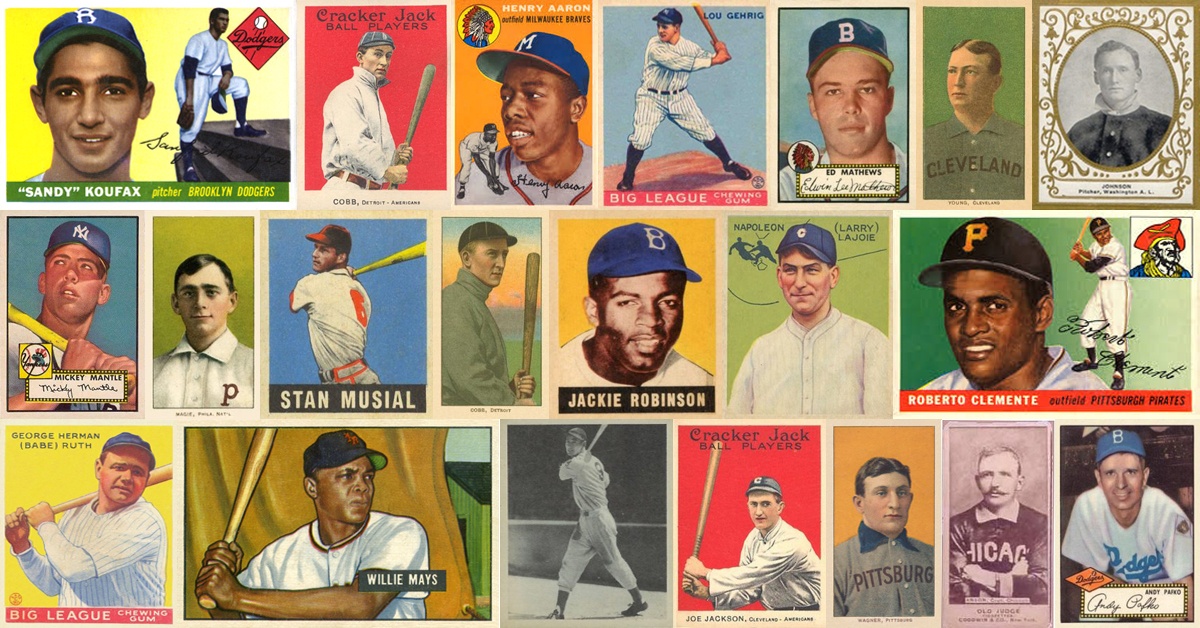
Baseball cards have been a popular collectible item for decades, with some rare cards fetching millions of dollars at auctions. But how do you determine if your old baseball cards are worth money or just gathering dust? In this article, we’ll explore the key factors that contribute to the value of baseball cards and provide tips on how to identify if your collection has any hidden gems. So, dust off those old cards, and let’s get started!
How to Tell if Baseball Cards Are Worth Money?
If you’re a collector or just someone who stumbled upon a box of old baseball cards, you may be wondering if they’re worth anything. The answer is that it depends on a few factors. In this article, we’ll go over how to tell if baseball cards are worth money.
Condition
The condition of a baseball card is one of the most important factors in determining its worth. Cards that are in mint condition, meaning they look as if they just came out of the pack, are worth the most. Even minor flaws like a small crease or a slightly bent corner can significantly decrease the value of a card.
When evaluating the condition of a card, collectors look at the corners, edges, centering, and surface. The card should have sharp corners, clean edges, and be centered properly. The surface should be free of stains, creases, or any other damage.
Rarity
The rarity of a baseball card is another important factor in determining its value. Some cards were printed in limited quantities, making them harder to find and therefore more valuable. Other cards may have been printed with errors, such as misspelled names or incorrect stats, which can also increase their value.
To determine the rarity of a card, you can look at how many were produced, how many have been graded by professional grading services, and how many are currently available for sale.
Player
The player featured on a baseball card can also impact its value. Cards featuring Hall of Fame players or those with significant achievements, such as a rookie card or a card from a player’s MVP season, are typically worth more than cards featuring lesser-known players.
When evaluating the player, collectors look at their career achievements, popularity, and overall impact on the game.
Year
The year a baseball card was produced can also impact its value. Some years are considered more valuable than others, such as the 1952 Topps set, which is one of the most popular and valuable sets in baseball card collecting.
To determine the value of a card based on its year, you can research the popularity of the set it came from and the value of other cards from that set.
Authenticity
The authenticity of a baseball card is crucial in determining its value. Counterfeit cards or those that have been altered in some way can significantly decrease the value of a card.
To ensure the authenticity of a card, you can look for a hologram or other security features, have it graded by a professional grading service, or authenticate it through the manufacturer or a reputable dealer.
Market Demand
The market demand for a baseball card is another important factor in determining its value. If there is high demand for a particular card or set, the value is likely to increase. However, if there is low demand, the value may decrease.
To determine the market demand for a card, you can research recent sales and auctions, as well as online marketplaces and collector forums.
Grading
The grading of a baseball card is another important factor in determining its value. Professional grading services evaluate cards based on their condition, authenticity, and other factors, and assign them a grade from 1-10.
Cards that have been professionally graded are typically worth more than those that haven’t, as they provide a more accurate assessment of the card’s condition and authenticity.
Price Guides
Price guides can be a useful tool in determining the value of a baseball card. These guides provide a range of values for different cards based on their condition, rarity, and other factors.
However, it’s important to remember that price guides are just a guide and that actual prices can vary based on market demand and other factors.
Selling Your Cards
If you’ve determined that your baseball cards are valuable, you may be wondering how to sell them. There are a variety of options, including online marketplaces, auction houses, and local dealers.
It’s important to research your options and find a reputable buyer who can offer a fair price for your cards.
Benefits of Collecting Baseball Cards
Collecting baseball cards can be a fun and rewarding hobby. It allows you to connect with the history of the game and appreciate the achievements of some of the greatest players of all time.
In addition, collecting baseball cards can be a valuable investment, as certain cards can increase in value over time.
Baseball Cards vs Other Investments
When considering whether to invest in baseball cards, it’s important to weigh the potential benefits against other investment options. While baseball cards can provide a valuable return on investment, they also come with risks and uncertainties.
Other investment options, such as stocks or real estate, may offer more stability and potential for growth, but may not provide the same level of enjoyment and connection to the history of the game. Ultimately, the decision to invest in baseball cards or other investments should be based on your individual goals and risk tolerance.
In conclusion, determining the value of baseball cards requires careful evaluation of a variety of factors, including condition, rarity, player, year, authenticity, market demand, grading, and price guides. By taking the time to research and evaluate your cards, you can ensure that you’re getting a fair price for your valuable collection.
Frequently Asked Questions
What factors determine the value of a baseball card?
The value of a baseball card can depend on various factors, such as the player on the card, the rarity of the card, and the card’s condition. Cards featuring popular, legendary players are often worth more than those of lesser-known players. The card’s condition is also crucial, as cards in excellent condition are usually worth more than those in poor condition.
How can I determine the condition of a baseball card?
The most common grading system used for baseball cards is the PSA (Professional Sports Authenticator) grading system. This system grades cards on a scale of 1-10, with 10 being a flawless card. Other factors to consider when determining the condition of a card include the centering of the image, the corners of the card, and any creases or stains.
What should I look for when identifying a rare baseball card?
The rarity of a baseball card can depend on various factors, including the year it was printed, the manufacturer, and the number of cards produced. Look for cards that were produced in limited quantities or are part of a rare set. Cards that have printing errors or variations can also be considered rare and valuable.
Can newer baseball cards be worth money?
Yes, newer baseball cards can be worth money. Look for cards of popular current players or up-and-coming prospects. Additionally, cards that are part of limited edition sets or have autographs or game-used memorabilia can also be valuable.
Where can I get my baseball cards appraised?
There are various online resources for appraising baseball cards, such as PSA and Beckett. Local card shops or sports memorabilia stores may also offer appraisal services. It’s important to note that appraisals may come with a fee, and the value of a card can fluctuate over time.
How to find Sports Card Values – Baseball, Football, Basketball & Hockey
In conclusion, determining the value of baseball cards can be a daunting task, but it can also be a rewarding experience. By following the steps outlined in this guide, you can learn how to tell if your baseball cards are worth money and potentially turn your collection into a valuable asset. Remember to consider factors such as rarity, condition, and demand when assessing the value of your cards.
While it’s important to be cautious when buying or selling baseball cards, don’t be afraid to take the leap and invest in your collection. With the right strategy and a little bit of luck, you could end up with a valuable collection that brings you joy for years to come.
Overall, the key to success in the world of baseball card collecting is knowledge and patience. Take the time to educate yourself on the market and the factors that determine card value, and don’t be afraid to seek out advice from experts in the field. With a little effort and dedication, you can turn your passion for baseball cards into a lucrative hobby.


