
How To Tell If A Baseball Card Is Worth Anything?
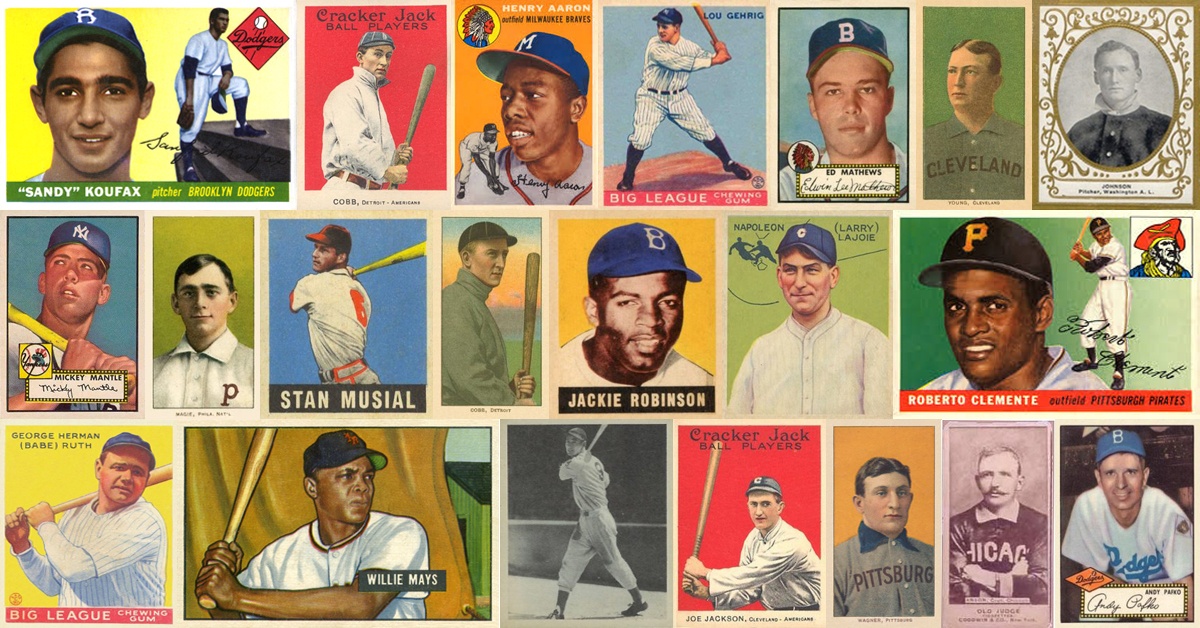
Baseball cards have been a beloved American pastime for generations. From the early days of the sport, fans have collected cards featuring their favorite players. But how can you tell if a baseball card is worth anything? With so many different cards and variations out there, it can be tough to know what to look for. In this guide, we’ll take a look at some key factors that can help you determine the value of your baseball cards. Whether you’re a seasoned collector or just starting out, these tips will help you make informed decisions when it comes to buying, selling, and trading baseball cards.
How to Tell if a Baseball Card is Worth Anything?
Baseball cards have been a popular collectible for decades, with some rare cards fetching millions of dollars. However, not all baseball cards are valuable. If you’re wondering how to tell if a baseball card is worth anything, here are some tips to help you out.
1. Look for the Player’s Popularity
The popularity of the player on the baseball card is one of the biggest factors in determining its worth. If the player is a Hall of Famer or a current superstar, the card is more likely to be valuable. However, if the player is obscure or not well-known, the card is likely not worth much.
When evaluating a baseball card’s potential worth, do some research on the player’s career stats, achievements, and popularity. You can also look up recent sales of similar cards to get an idea of their value.
2. Consider the Card’s Condition
The condition of a baseball card is another important factor in determining its worth. Cards that are in excellent condition, with no creases, stains, or other damage, are worth more than those that are worn or damaged.
To properly evaluate a card’s condition, look at the corners, edges, surface, and centering. A perfect card should have sharp corners, clean edges, no surface blemishes, and be centered properly. You can also use a magnifying glass to check for any imperfections.
3. Check the Rarity of the Card
The rarity of a baseball card is also a key factor in determining its worth. Cards that are more scarce or harder to find are worth more than those that are more common.
To check the rarity of a card, look for information about the card’s production numbers or print runs. The fewer cards that were produced, the more valuable the card is likely to be.
4. Look for Autographed Cards
Autographed baseball cards are another type of card that can be valuable. The value of an autographed card depends on the popularity of the player, the condition of the card, and the authenticity of the signature.
To determine the authenticity of an autographed card, look for a certificate of authenticity from a reputable third-party authentication service. You can also compare the signature to known authentic signatures from the player.
5. Evaluate the Year and Brand of the Card
The year and brand of the baseball card can also affect its value. Some years and brands are more popular among collectors than others, and cards from those years and brands are worth more.
To determine the year and brand of a card, look for the information on the front or back of the card. You can also use a baseball card price guide or online resource to find information about different years and brands.
6. Check the Market Demand for the Card
The market demand for a baseball card is another factor in determining its value. If there is high demand for a particular card, its value will be higher.
To check the market demand for a card, look for recent sales of similar cards and the prices they sold for. You can also check online marketplaces and auction sites for current prices and bidding activity.
7. Consider the Card’s Grading
Baseball cards are often graded by professional grading services, which evaluate the card’s condition and assign it a grade. Graded cards are worth more than ungraded cards, as they provide a more objective evaluation of the card’s condition.
To determine the card’s grading, look for the grade on the card’s slab or case. You can also use a grading guide or online resource to learn more about grading standards.
8. Know the Difference Between Vintage and Modern Cards
The value of baseball cards can also vary depending on whether they are vintage or modern. Vintage cards are those from before the 1980s, while modern cards are those from the 1980s and later.
Vintage cards are generally more valuable than modern cards, as they are rarer and more collectible. However, there are exceptions, and some modern cards can be valuable if they are rare or have other desirable features.
9. Be Wary of Counterfeit Cards
Counterfeit baseball cards are a common problem in the collecting world. These are cards that are made to look like valuable cards, but are actually fake.
To avoid buying a counterfeit card, look for signs of fraud, such as incorrect player information, misspelled words, or poor-quality printing. You can also have the card authenticated by a professional grading service or authentication service.
10. Consider the Long-Term Investment Potential
Finally, when evaluating the worth of a baseball card, consider its long-term investment potential. Some cards may be worth more in the future, while others may not hold their value.
To determine a card’s long-term potential, consider factors such as the player’s future prospects, the popularity of the card, and the overall market demand for baseball cards. You can also seek the advice of a professional collector or investment advisor.
In conclusion, determining the worth of a baseball card requires careful evaluation of several factors, including the player’s popularity, the card’s condition and rarity, the year and brand of the card, and the market demand. By following these tips and doing your research, you can make informed decisions about buying, selling, and collecting baseball cards that could potentially be worth a lot of money in the future.
Frequently Asked Questions
What factors determine the value of a baseball card?
The value of a baseball card is determined by several factors, including the player’s popularity and career achievements, the rarity of the card, its condition, and the demand from collectors. Cards featuring iconic players such as Babe Ruth or Mickey Mantle tend to be worth more, as do limited edition or autographed cards. Cards that are in pristine condition and have been well-preserved also command higher prices.
Conversely, cards that are damaged, have creases or stains, or are missing corners or other parts will be worth less. The market for baseball cards can fluctuate based on trends and fads, so it’s important to stay informed about current demand and pricing.
What should I look for when assessing the condition of a baseball card?
When evaluating the condition of a baseball card, look for signs of wear and tear such as creases, stains, or discoloration. Check the corners and edges for any signs of damage or wear, and look for centering issues or print defects. The card should be free from any writing or marks, and the back of the card should be clean and free from any damage or discoloration.
If you are uncertain about the condition of a card, it’s best to consult with a professional appraiser or dealer who can provide an accurate assessment of its value. They can also advise you on any repairs or restoration that may be necessary to maximize the card’s value.
Can a baseball card still be valuable if it is not in perfect condition?
While a baseball card in perfect condition will typically be worth more than one that is damaged or worn, there are still many cards that have value even if they are not in pristine condition. Cards featuring rare or sought-after players may still be worth a significant amount even if they have some wear or damage.
Additionally, some collectors may be interested in cards that have been professionally restored or repaired, as long as the restoration is of high quality and does not detract from the overall appearance of the card. Ultimately, the value of a baseball card is determined by a variety of factors, so it’s important to consider all aspects when assessing its worth.
What resources are available to help me determine the value of a baseball card?
There are several resources available to help you determine the value of a baseball card, including online price guides, auction websites, and professional appraisers or dealers. Online price guides such as Beckett or PSA provide up-to-date pricing information and can help you determine the value of your card based on its condition and other factors.
Auction websites such as eBay or Heritage Auctions can also provide insight into the current market value of baseball cards. If you are uncertain about the value of a card, it’s best to consult with a professional appraiser or dealer who can provide an accurate assessment based on their expertise and experience in the field.
What should I do if I think I have a valuable baseball card?
If you believe you have a valuable baseball card, the first step is to have it evaluated by a professional appraiser or dealer. They can provide an accurate assessment of the card’s condition and value, as well as advise you on the best course of action to take.
Depending on the value of the card, you may wish to have it graded and authenticated by a third-party service such as PSA or SGC. This can help increase its value and ensure that it is authentic and not a counterfeit or reproduction. If you are looking to sell the card, a professional dealer or auction house can help you find the right buyer and get the best possible price.
How to find Sports Card Values – Baseball, Football, Basketball & Hockey
In conclusion, determining the value of a baseball card can be a daunting task, but with some research and knowledge, it is possible to identify which cards are worth something and which ones are not. First, it is important to evaluate the condition of the card, as any damage can significantly decrease its value. Second, look at the rarity of the card, as cards that were produced in limited quantities tend to be more valuable. Lastly, consider the player featured on the card, as popular and successful players tend to have more valuable cards.
It is also important to note that values can fluctuate over time and that there is no guarantee that a card will retain its value. However, if you have a collection of baseball cards and are unsure of their worth, it is worth taking the time to research and evaluate them. Who knows, you may have a valuable card sitting in your collection without even realizing it!
In summary, determining the value of a baseball card takes some effort, but it can be a rewarding experience. By considering the card’s condition, rarity, and player, you can make an informed decision on whether it’s worth keeping or selling. And who knows, you may even discover a hidden gem in your collection that could be worth a significant amount of money.


