
How To Know If Your Baseball Cards Are Worth Anything?
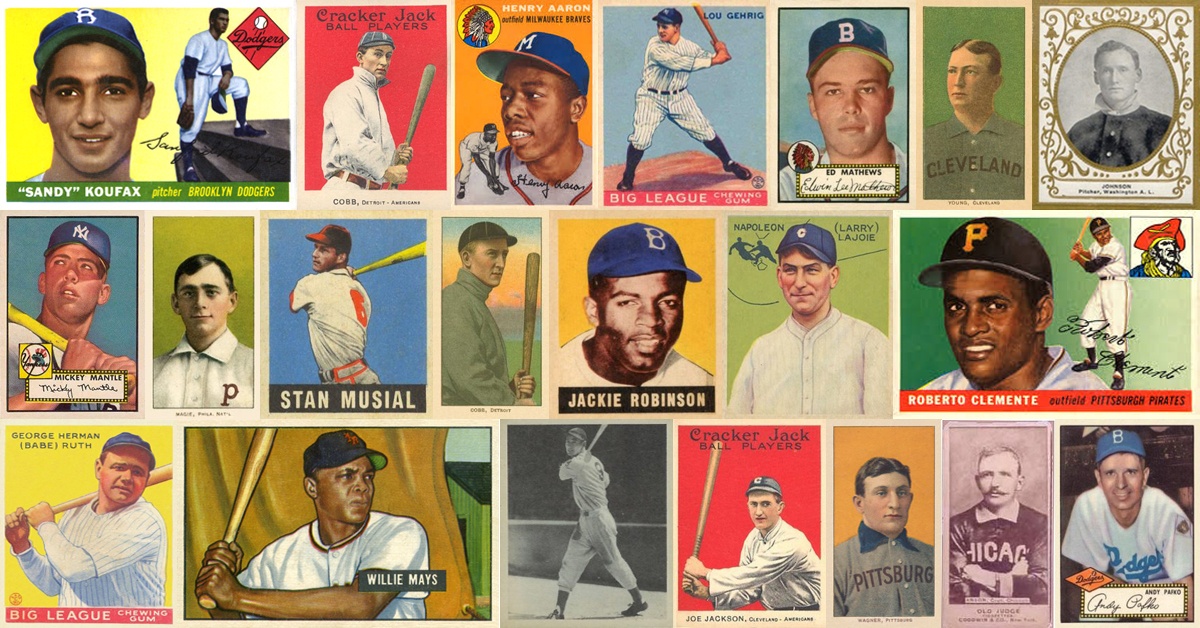
As a baseball card collector, it’s important to know the value of your cards. While some cards may hold sentimental value, others could potentially be worth thousands of dollars. But how can you tell if your baseball cards are worth anything? In this article, we’ll explore some tips and tricks for determining the value of your baseball card collection. From identifying key players to assessing the condition of the cards, we’ll cover everything you need to know to determine if your baseball cards are a valuable asset. So, let’s dive in and discover the worth of your baseball card collection!
How to Know if Your Baseball Cards Are Worth Anything?
If you’re a baseball fan, chances are you’ve collected baseball cards at some point in your life. And if you’re like most collectors, you want to know if your cards are worth anything. In this article, we’ll go over some tips and tricks to help you determine if your baseball cards are valuable or not.
1. Check the condition of your cards
The condition of your cards is one of the most important factors in determining their value. Look for any creases, tears, or damage to the card. Check the corners to see if they’re sharp or rounded. The better the condition of the card, the more valuable it is.
You can also use a grading system to help determine the condition of your cards. The most popular grading system is the PSA (Professional Sports Authenticator) grading system. The PSA grades cards on a scale of 1-10, with 10 being the best condition.
2. Look for rare cards
Some baseball cards are rarer than others, which makes them more valuable. Look for cards that were only produced in limited quantities or cards that were only available for a short period of time. Also, look for cards that were only released in certain regions or sets.
You can find information about the rarity of your cards by doing some research online or by consulting a price guide. Some popular price guides include Beckett and Tuff Stuff.
3. Check the age of your cards
The age of your cards can also affect their value. Older cards tend to be more valuable, especially if they’re in good condition. Look for cards that were produced before the 1970s, as these tend to be the most valuable.
4. Check the player and team
The player and team on the card can also affect its value. Look for cards featuring popular players or players who are in the Hall of Fame. Cards featuring players from popular teams, such as the New York Yankees or Boston Red Sox, are also more valuable.
5. Look for errors
Errors on baseball cards can make them more valuable. Look for cards that have printing errors, misspellings, or other mistakes. These cards are often more valuable because they’re rare and collectors love to have unique items in their collections.
6. Check the market
The market for baseball cards is constantly changing. Keep an eye on the market to see what cards are currently in demand. You can do this by checking online auction sites, such as eBay, or by consulting a price guide.
7. Get your cards appraised
If you’re not sure about the value of your cards, you can always get them appraised. Appraisers can give you an idea of how much your cards are worth and can help you determine the best way to sell them.
8. Sell your cards
If you’re looking to sell your cards, there are a few options available to you. You can sell them on online auction sites, such as eBay, or you can sell them to a dealer or collector. Be sure to do your research before selling your cards to ensure that you’re getting a fair price.
9. Store your cards properly
Proper storage is important if you want to maintain the value of your cards. Keep your cards in a dry, cool place, away from direct sunlight. Use protective sleeves or cases to prevent damage to the cards.
10. Enjoy your collection
Remember, collecting baseball cards should be fun! Don’t get too caught up in the value of your cards. Enjoy your collection and share your love of baseball with others.
In conclusion, determining the value of baseball cards can be a fun and rewarding experience. By following these tips and tricks, you can determine if your cards are valuable and even sell them for a profit. But most importantly, don’t forget to enjoy your collection!
Frequently Asked Questions
What factors determine the value of a baseball card?
The value of a baseball card is determined by several factors, including the player’s popularity, the rarity of the card, and its condition. Baseball cards featuring popular players, such as Babe Ruth or Mickey Mantle, are generally more valuable than those featuring less popular players. Rarity also plays a role, with cards that were produced in limited numbers typically worth more than those that were mass-produced. The condition of the card is also important, with cards in mint condition worth much more than those that are damaged or worn.
Other factors that can affect the value of a baseball card include its age, whether it is part of a set, and any notable events associated with the player or the card itself.
Where can I find information about the value of my baseball cards?
There are several resources available for finding information about the value of your baseball cards. One option is to consult a price guide, such as the Beckett Baseball Card Price Guide or the Sports Collectors Digest. These guides provide pricing information for thousands of baseball cards, and can be a useful tool for determining the value of your cards.
You can also search online auction sites, such as eBay, to see what similar cards are selling for. Be sure to look for cards in similar condition to yours to get an accurate idea of the card’s value.
Should I get my baseball cards appraised?
If you have a large collection of baseball cards or possess a particularly valuable card, it may be worth getting your cards appraised by a professional. A professional appraiser can provide a more accurate valuation of your cards and can help you determine the best way to sell or insure your collection.
It’s important to choose an appraiser who is knowledgeable about baseball cards and who has experience in the field. You can find appraisers through organizations such as the Professional Sports Authenticator (PSA) or the American Society of Appraisers (ASA).
What should I do if I think I have a valuable baseball card?
If you believe you have a valuable baseball card, the first step is to determine its authenticity. Many valuable baseball cards have been counterfeited, so it’s important to have the card authenticated by a professional before attempting to sell it.
Once you’ve confirmed the card’s authenticity, you can decide how to sell it. Options include selling it through an auction house, selling it to a dealer, or selling it directly to a collector. Be sure to research your options and choose the method that makes the most sense for your situation.
What should I do if my baseball cards are not worth anything?
If you discover that your baseball cards are not worth anything, you still have a few options. You can donate them to charity, give them to a younger family member who is just starting to collect, or simply hold onto them for sentimental value.
Remember that the value of baseball cards is not just monetary. They can hold sentimental value and can be an important part of your personal history. So even if they are not worth anything in the eyes of a collector, they may still be valuable to you.
How to find Sports Card Values – Baseball, Football, Basketball & Hockey
In conclusion, determining the value of your baseball cards is not an easy task, but it can be done with the right knowledge and resources. The first step is to identify the manufacturer and year of the card. From there, you can research the player’s career statistics and popularity to determine their overall worth.
It is also important to keep in mind that the condition of the card plays a significant role in its value. Cards that are in pristine condition will fetch a higher price than those with creases, stains, or other damage.
Lastly, it’s worth noting that the market for baseball cards can fluctuate greatly. A card that was once worth a lot of money may decrease in value over time, while others may increase in value due to factors such as the player’s induction into the Hall of Fame. It’s important to stay up to date with the ever-changing market and seek the advice of experts if you’re unsure about the value of a particular card.


