
How To Find The Value Of Baseball Cards?
Baseball cards have been a popular collectible for decades, with some cards reaching astronomical values. From the iconic Honus Wagner T206 to the modern-day Mike Trout rookie card, the value of baseball cards has captivated collectors and investors alike. But how do you determine the value of a baseball card? In this guide, we’ll explore the factors that determine a card’s worth and provide tips on how to find the value of your baseball cards. So, whether you’re a seasoned collector or just starting, keep reading to discover how to unlock the potential of your baseball card collection.
How to Find the Value of Baseball Cards?
If you’re an avid collector or just starting out, knowing the value of your baseball cards is essential. Whether you’re looking to sell or trade, having a good understanding of the worth of your cards will help you make informed decisions. Here are some tips on how to find the value of baseball cards.
1. Research
The first step in finding the value of your baseball cards is to do some research. There are a few different ways you can go about this. You can check online auction sites such as eBay or Amazon to see what similar cards are selling for. You can also check online price guides such as Beckett or Tuff Stuff for an estimate of your card’s value. Another option is to consult with a reputable dealer or collector in your area.
When researching, be sure to take note of the condition, year, and player of your card. These factors can greatly affect the value of the card.
2. Grading
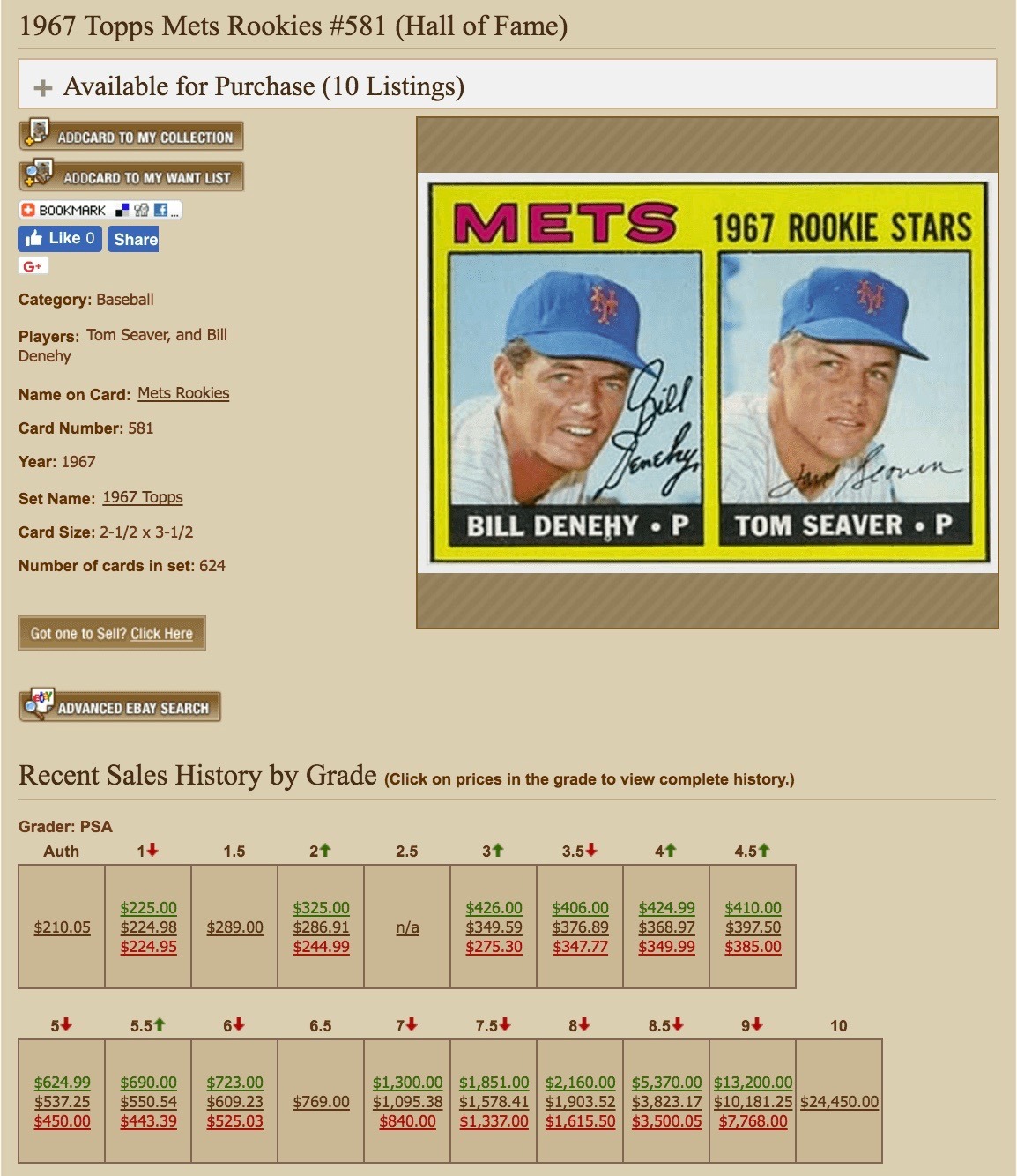
Another important factor in determining the value of your baseball cards is the grading. Cards are typically graded on a scale of 1-10, with 10 being the highest grade. The grading takes into account the condition of the card, including factors such as centering, corners, and surface wear.
It’s important to note that even small differences in grading can greatly affect the value of a card. For example, a card graded at a 9 may be worth significantly more than the same card graded at an 8.
3. Rarity
The rarity of a baseball card is another important factor in determining its value. Cards that were produced in limited quantities or were part of a special edition set are generally more valuable than cards that were mass-produced.
It’s also important to consider the popularity of the player featured on the card. Cards featuring well-known players or Hall of Famers are generally more valuable than cards featuring lesser-known players.
4. Condition
The condition of the card is perhaps the most important factor in determining its value. Cards that are in excellent condition, with no visible wear or damage, are worth significantly more than cards that are in poor condition.
When assessing the condition of your card, be sure to look for any creases, bends, or other damage. Even small imperfections can greatly affect the value of the card.
5. Type of Card
The type of baseball card you have can also affect its value. Cards that are part of a complete set or are part of a special edition series are generally more valuable than individual cards.
It’s also important to consider the year of the card. Cards from certain years, such as rookie cards or first-year cards, are generally more valuable than cards from other years.
6. Price Guides
As mentioned earlier, price guides can be a helpful tool in determining the value of your baseball cards. Online price guides such as Beckett or Tuff Stuff can provide an estimate of your card’s value based on its condition, rarity, and other factors.
It’s important to remember that these guides are just estimates and may not reflect the actual value of your card. Ultimately, the value of a card is determined by what someone is willing to pay for it.
7. Online Auctions
Another way to determine the value of your baseball cards is to check online auction sites such as eBay or Amazon. These sites allow you to see what similar cards are selling for and can give you a good idea of what your card is worth.
When using online auctions as a resource, be sure to take note of the condition and grading of the cards that are being sold. This can give you a better idea of what your card is worth in comparison.
8. Dealers and Collectors
If you’re unsure about the value of your baseball cards or are looking for a more accurate estimate, consult with a reputable dealer or collector in your area. These individuals have years of experience and can provide valuable insights into the worth of your cards.
When working with a dealer or collector, be sure to provide as much information as possible about your cards, including the condition, grading, and rarity. This will help them provide an accurate estimate of the value.
9. Benefits of Knowing the Value of Your Baseball Cards
Knowing the value of your baseball cards can provide a number of benefits. For one, it can help you make informed decisions when it comes to selling or trading your cards. It can also help you determine the best way to store and protect your cards to maintain their value over time.
Additionally, having a good understanding of the value of your baseball cards can help you make smarter purchases when adding to your collection. You can use this knowledge to identify undervalued cards or to avoid overpaying for cards that are in poor condition.
10. Final Thoughts
In conclusion, finding the value of your baseball cards is an important step in the collecting process. By doing your research, grading your cards, and considering factors such as rarity and condition, you can get a better idea of what your cards are worth.
Remember to use a variety of resources, including online price guides, online auctions, and reputable dealers and collectors, to get the most accurate estimate of your card’s value. And most importantly, have fun collecting!
Frequently Asked Questions
What factors determine the value of a baseball card?
The value of a baseball card depends on various factors such as the player’s popularity, rarity of the card, and the card’s condition. Generally, the older the card, the more valuable it is. The player’s performance and career statistics also play a crucial role in determining the value of the card.
Where can I find information about the value of baseball cards?
There are various online resources available that provide information about the value of baseball cards, such as Beckett.com and Sportsmemorabilia.com. You can also consult with a reputable sports memorabilia dealer or appraiser who can help you determine the value of your card collection.
What should I look for when buying baseball cards?
When buying baseball cards, you should look for factors such as the player’s popularity and performance, the rarity of the card, and the card’s condition. It is also important to purchase from a reputable dealer or seller who can provide you with authentic cards that are not counterfeit.
How can I sell my baseball cards?
You can sell your baseball cards through various channels such as online auction sites like eBay, sports memorabilia dealers, or consignment shops. It is important to research the value of your cards and the reputation of the seller or dealer before making any transactions.
What should I do to protect my baseball card collection?
To protect your baseball card collection, you should store them in a cool, dry place away from direct sunlight and moisture. You should also handle them with care and avoid touching the surface with your fingers. You can also consider using protective sleeves or cases to prevent damage to the cards.
How to Look Up the Value of Baseball Cards
In conclusion, finding the value of baseball cards can be an exciting and rewarding experience for collectors. By following the steps outlined above, you can begin your journey towards discovering the true worth of your baseball card collection.
Firstly, make sure to research the background of the cards, including their age, rarity, and condition. Secondly, consult with reputable sources, such as professional grading companies and online marketplaces, to get an accurate estimate of the card’s value. Lastly, consider the sentimental value of the card, as it may be worth more to you personally than its monetary value.
Remember, the value of baseball cards can fluctuate over time, so it’s essential to stay up to date with the latest trends and market values. With patience and perseverance, you can build a valuable and cherished collection of baseball cards.


