
Are Old Baseball Cards Worth Anything?
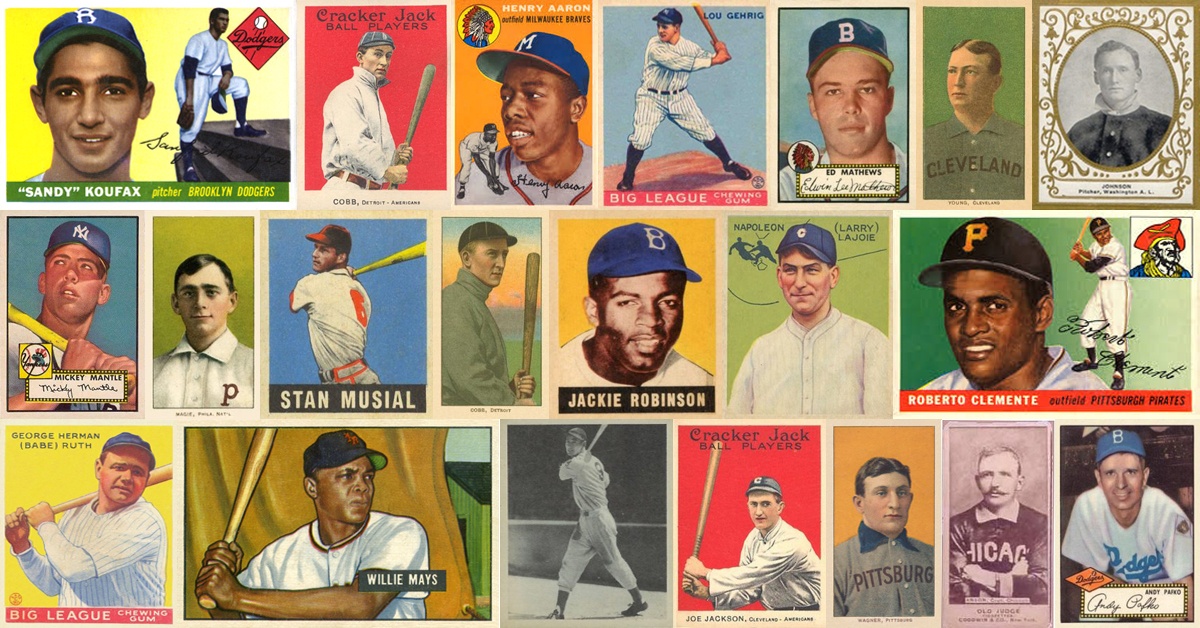
Baseball cards have been a favorite pastime for sports enthusiasts for generations. From collecting the cards of their favorite players to trading them with friends, baseball cards have always held a special place in the hearts of fans. But with the advent of digital media and the rise of online sports memorabilia, many people are left wondering if their old baseball cards are worth anything.
If you’re one of those people who have a stack of old baseball cards collecting dust in your attic, then this article is for you. We’ll take a closer look at the world of baseball card collecting, explore the factors that determine their value, and answer the question on everyone’s mind: Are old baseball cards worth anything? So let’s dive in and find out!
Are Old Baseball Cards Worth Anything?
Baseball cards have been a popular collectible item for over a century, with some cards fetching millions of dollars at auction. But with so many different cards and variations available, it can be difficult to determine if your old baseball cards are worth anything. In this article, we’ll explore the factors that determine the value of baseball cards and provide insight into whether your old collection is worth holding onto.
Condition
The condition of a baseball card is one of the most important factors in determining its value. Cards that are in pristine condition with no signs of wear or damage are worth significantly more than cards that are creased, torn, or stained. Even minor imperfections can significantly reduce the value of a card.
It’s important to note that the condition of a card isn’t just determined by physical damage. Cards that have been mishandled or stored improperly can also lose value. Cards that have been exposed to moisture, light, or extreme temperatures can become warped, faded, or discolored, all of which can reduce their value.
To determine the condition of a card, collectors use a grading system that assigns a numerical value based on the card’s condition. The most widely used grading system is the Professional Sports Authenticator (PSA) system, which grades cards on a scale of 1-10, with 10 being the highest grade possible.
Rarity
The rarity of a card is another important factor in determining its value. Cards that were produced in smaller quantities or as part of a limited edition series are generally worth more than cards that were produced in large quantities. For example, rookie cards of Hall of Fame players like Babe Ruth or Mickey Mantle are highly sought after and can be worth hundreds of thousands or even millions of dollars.
Cards that feature unique or unusual designs or variations are also considered rare and can be worth more than standard cards. For example, cards that feature a player in a different uniform or position than usual, or cards that feature printing errors or variations, can be highly valuable.
Popularity
The popularity of a player can also impact the value of a baseball card. Cards featuring popular or legendary players like Babe Ruth, Mickey Mantle, or Willie Mays are generally worth more than cards featuring lesser-known or less successful players. This is because there is a greater demand for cards featuring these players, which drives up their value.
In addition to a player’s popularity, the era in which they played can also impact the value of their cards. Cards from the “golden age” of baseball in the early 20th century are generally worth more than cards from later eras, as they are considered more rare and valuable.
Market Demand
Ultimately, the value of a baseball card is determined by market demand. If there is a high demand for a particular card, its value will increase. Conversely, if there is little demand for a card, its value will decrease.
Market demand can be impacted by a variety of factors, including the popularity of a player, the rarity of a card, and even current events. For example, if a player sets a new record or wins a championship, demand for their cards may increase, driving up their value.
Where to Sell
If you have old baseball cards that you’d like to sell, there are a variety of options available. One option is to sell your cards directly to a collector or dealer. This can be a good option if you have rare or valuable cards, as collectors and dealers are often willing to pay top dollar for these items.
Another option is to sell your cards through an online auction site like eBay. This can be a good option if you have a large collection of cards or if you’re looking to sell your cards quickly. However, keep in mind that you may not get as much money for your cards through an auction site as you would through a collector or dealer.
Benefits of Collecting Baseball Cards
While the value of baseball cards can fluctuate over time, there are many benefits to collecting them that go beyond their monetary value. Collecting baseball cards can be a fun and rewarding hobby that allows you to connect with the history of the game and the players who have made it great.
Collecting baseball cards can also be a way to connect with other collectors and fans, whether through online communities or in-person events. And for younger fans, collecting baseball cards can be a way to get excited about the game and learn about its history and traditions.
Conclusion: Should You Hold Onto Your Old Baseball Cards?
So, are your old baseball cards worth anything? The answer is, it depends. If you have rare or valuable cards that are in good condition, they may be worth a significant amount of money. However, if your cards are common or in poor condition, their value may be minimal.
Regardless of their monetary value, there are many reasons to hold onto your old baseball cards. They can be a fun and rewarding hobby, a way to connect with other fans and collectors, and a tangible piece of baseball history. So, whether you’re a seasoned collector or just starting out, don’t be too quick to toss those old baseball cards – they may be worth more than you think.
Frequently Asked Questions
What factors determine the value of an old baseball card?
The value of an old baseball card depends on several factors. These include the player, the year the card was produced, the condition of the card, and the rarity of the card. Generally, cards featuring popular players from the early 1900s tend to be the most valuable, especially if they are in good condition and are rare.
However, it’s important to note that the value of a card can also fluctuate over time based on market demand and other factors, so it’s worth doing research or consulting with a professional to get an accurate valuation.
What condition should an old baseball card be in to be worth something?
The condition of an old baseball card is a crucial factor in determining its value. Cards that are in excellent condition, with little to no damage or wear, will be worth more than cards that are in poor condition.
Some of the things that collectors look for when assessing the condition of a card include the corners (which should be sharp and unbent), the edges (which should be clean), and the surface (which should be free of creases, stains, or other blemishes).
What are some tips for selling old baseball cards?
If you’re looking to sell old baseball cards, there are a few things you can do to maximize your profits. First, make sure you have a good understanding of the value of your cards by doing research or consulting with a professional. This will help you set a fair price and avoid getting ripped off.
Next, consider where and how you want to sell your cards. Online auction sites like eBay can be a good option, as can local sports memorabilia shops or collector shows. Make sure you take high-quality photos of your cards and provide accurate descriptions to help attract potential buyers.
What are some common mistakes to avoid when collecting old baseball cards?
While collecting old baseball cards can be a fun and rewarding hobby, there are some common mistakes to avoid. One is buying cards without doing proper research or understanding their true value, which can lead to overpaying or getting scammed.
Another mistake is neglecting to properly store and care for your cards, which can cause damage and reduce their value. Make sure you keep your cards in protective sleeves or holders and avoid exposing them to moisture, heat, or direct sunlight.
Are all old baseball cards valuable?
Not all old baseball cards are valuable, as the value depends on several factors including the player, year, condition, and rarity of the card. Some cards may be worth only a few dollars, while others can fetch tens or even hundreds of thousands of dollars.
It’s important to remember that just because a card is old doesn’t necessarily mean it’s valuable, and that the value of a card can also fluctuate over time based on market demand and other factors.
The 25 Most Valuable Baseball Cards from the 1980s
In conclusion, the value of old baseball cards varies greatly depending on several factors. Rarity, condition, and age are some of the primary factors that determine the worth of baseball cards. Some cards from the early 1900s have sold for millions of dollars, while others may only be worth a few cents. It’s important to do your research and consult with experts in the field to determine the value of your baseball card collection.
While it’s true that many old baseball cards may not be worth much, it’s important to keep in mind that they hold historical and sentimental value. Baseball has been a beloved sport in America for over a century, and baseball cards have played an important role in preserving its history. So, even if your old baseball cards aren’t worth a fortune, they still hold immense value as a piece of history.
In conclusion, whether or not old baseball cards are worth anything depends on several factors. While the potential for a big payout is there, the value of these cards extends far beyond their monetary worth. They serve as a reminder of the rich history of baseball and its enduring impact on American culture. So, whether you’re a collector, a fan, or simply someone interested in the sport, old baseball cards are a treasure worth holding onto.


